






Coral Bark Japanese Maple ‘Sango Kaku’ – Acer palmatum with Vibrant Red Bark | Premium Ornamental Tree India | Floral Kashmir
About the Plant
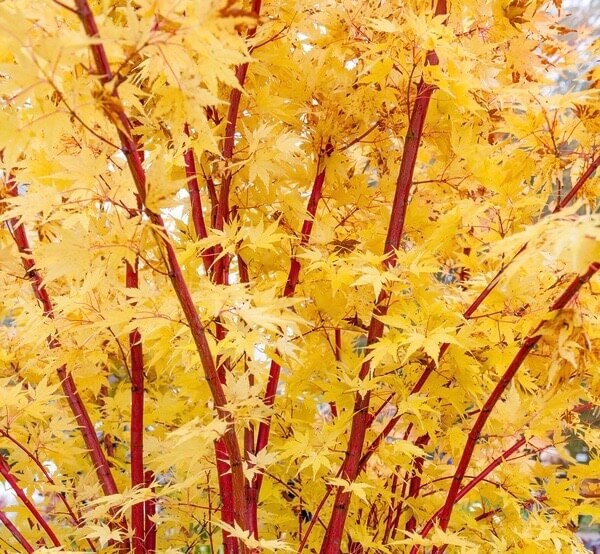
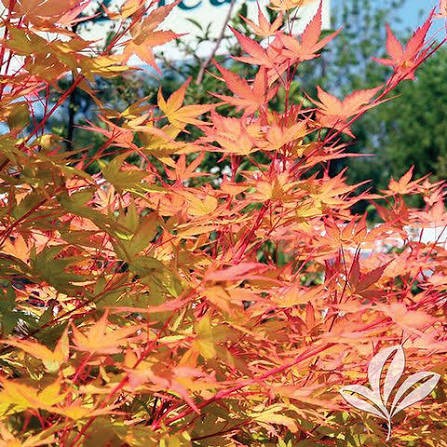
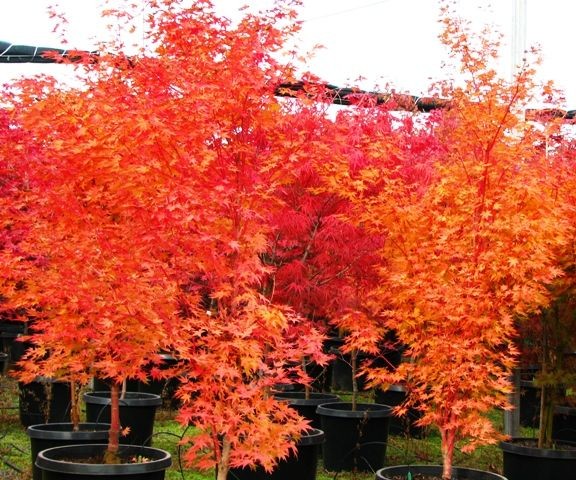
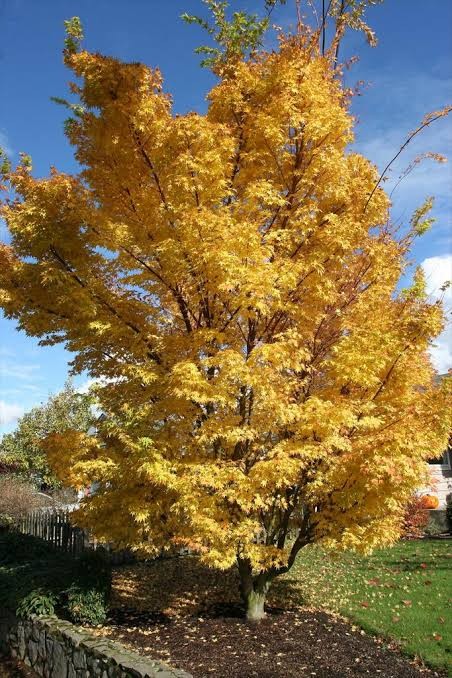
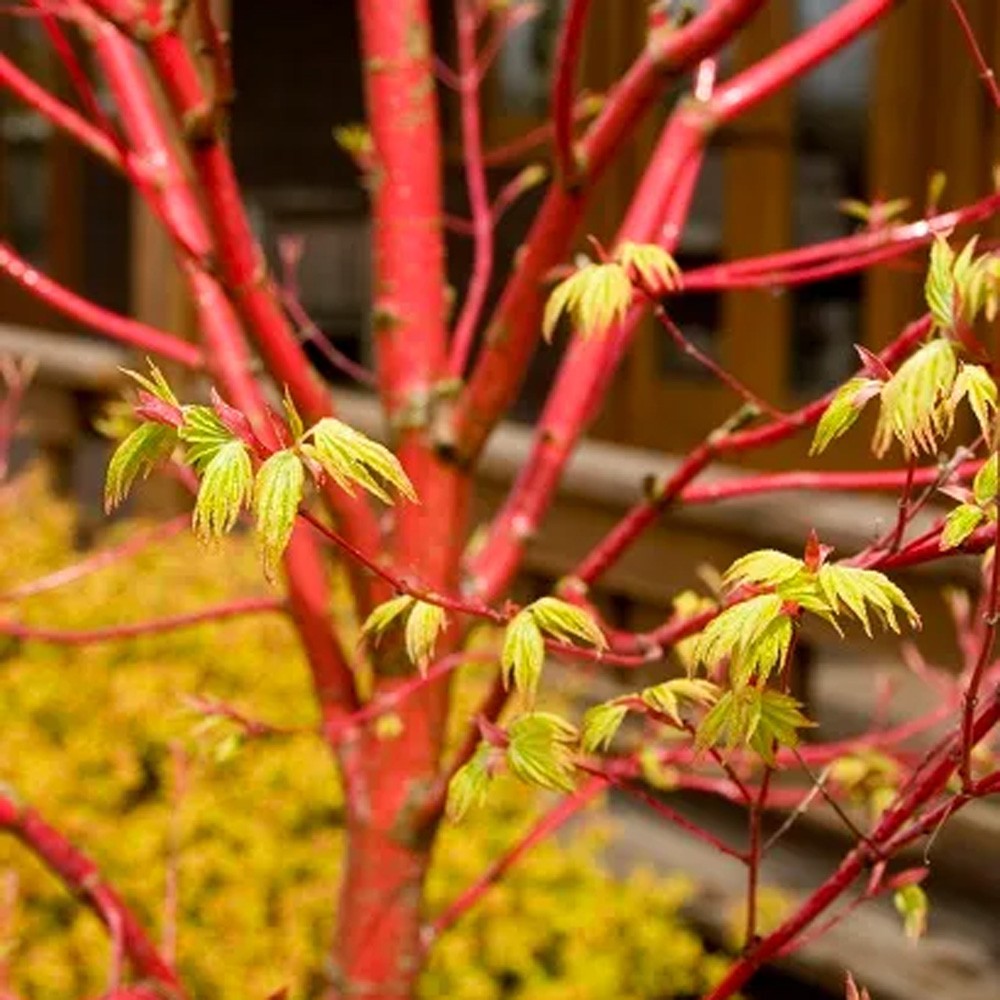
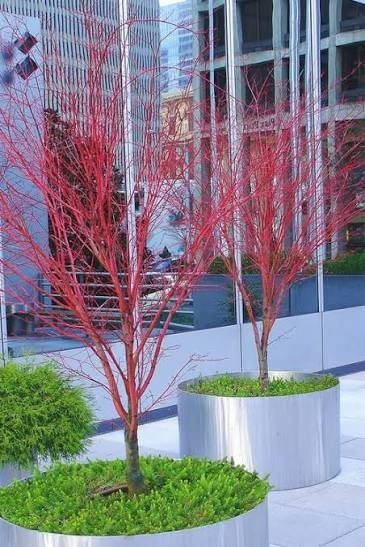
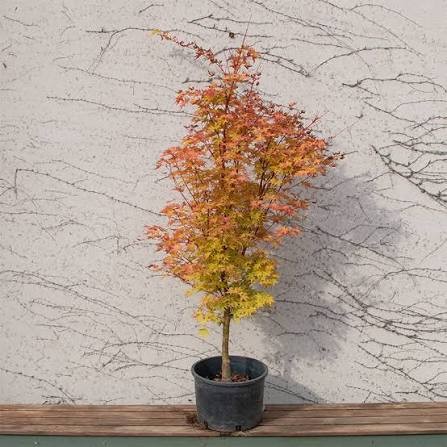
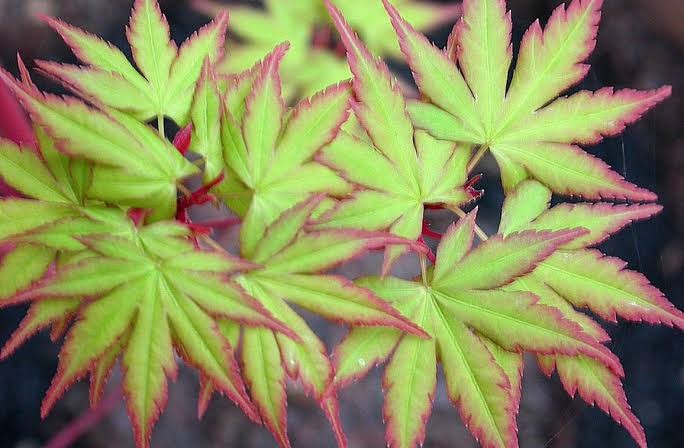
Introducing the Coral Bark Japanese Maple ‘Sango Kaku’ (Acer palmatum), a truly exceptional specimen for the discerning Indian gardener. Renowned for its striking coral-red bark that glows vibrantly against the winter landscape, this ornamental tree brings a touch of refined elegance and year-round visual intrigue to any setting. Unlike fleeting floral displays, the Sango Kaku offers a permanent, living sculpture, evolving with the seasons to provide continuous beauty. Its delicate, hand-shaped leaves unfurl in spring with a soft green hue, transitioning to a spectacular display of fiery oranges and reds in autumn before revealing its most celebrated feature: the vivid, eye-catching bark. This tree isn't just a plant; it's a statement piece, a conversation starter, and an investment in enduring natural artistry for your home or garden.
Features
- Stunning Coral-Red Bark: The most distinguishing feature, providing spectacular colour contrast, especially during winter months.
- Delicate, Palmate Foliage: Finely dissected leaves with a graceful, hand-like shape that turn brilliant shades of orange and red in autumn.
- Elegant Growth Habit: Typically grows as a small, multi-stemmed tree with an upright, spreading form, creating a beautiful silhouette.
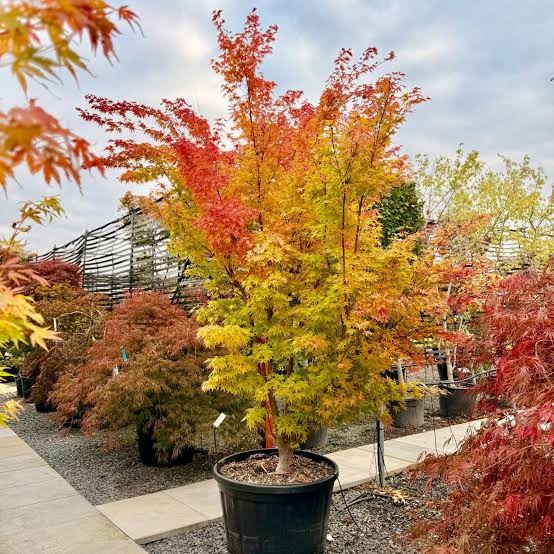
- Seasonal Transformation: Offers dynamic visual appeal throughout the year, from fresh spring greens to fiery autumn colours and striking winter bark.
- Compact Size: Ideal for smaller gardens, courtyards, balconies, or as a specimen tree in larger landscapes.
- Premium Ornamental Value: A highly sought-after tree for its aesthetic appeal and sophisticated presence.
Why You Should Have It
Elevate your garden or home with the Coral Bark Japanese Maple ‘Sango Kaku’. For plant collectors, it represents a chance to own a living masterpiece, celebrated for its unique chromatic display and refined form. For home gardeners, it offers an accessible entry into the world of premium ornamental trees, promising a rewarding and visually captivating experience. Imagine the serene beauty of its delicate leaves in summer, the breathtaking bonfire of its autumn foliage, and the unforgettable spectacle of its coral bark against a crisp winter sky. It's a tree that doesn't just grow; it performs, providing a constant source of wonder and a touch of the exotic to your Indian landscape. Bring a piece of Japanese horticultural artistry home and transform your space into a sanctuary of natural elegance.
Benefits
- Year-Round Visual Interest: Provides captivating colour and form in every season, from vibrant spring growth to stunning winter bark.
- Enhanced Landscape Aesthetics: Adds a sophisticated focal point and a touch of refined beauty to gardens, patios, and balconies.
- Therapeutic Qualities: The presence of a beautiful, well-cared-for tree can contribute to a sense of calm and well-being.
- Investment in Beauty: A long-lived tree that increases in value and aesthetic appeal as it matures.
- Container Gardening Friendly: With appropriate care, it can thrive in large containers, making it suitable for urban spaces and balconies.
- Attracts Admiration: Its unique beauty is sure to be a talking point and a source of pride for homeowners.
Sunlight Guide
The Coral Bark Japanese Maple thrives in partial shade, particularly in the Indian climate. Aim for morning sun and afternoon shade to protect its delicate leaves from intense heat. Dappled sunlight throughout the day is also ideal. Excessive direct sunlight, especially during the hottest parts of the day, can scorch the leaves and fade the vibrant bark colour. In cooler regions or during milder seasons, it can tolerate more direct sun.
Zone & Origin
Native to Japan, Korea, and China, the Acer palmatum species is well-suited to temperate climates. While the 'Sango Kaku' cultivar is adaptable, it is generally recommended for hardiness zones 5-8. For India, it performs best in cooler, higher-altitude regions or in microclimates that offer protection from extreme heat and humidity, such as the Himalayan foothills and select hill stations. Careful placement and microclimate management are key to its success in warmer Indian plains.
Temperature
This Japanese Maple prefers moderate temperatures. It can tolerate light frosts, which actually enhance its bark colour. However, it is sensitive to extreme heat and prolonged periods above 35°C (95°F). In Indian conditions, it is best suited for areas with distinct cool seasons or for gardens in hill stations. Protection from intense summer heat is crucial for its survival and optimal appearance.
Soil Mix
A well-draining, slightly acidic to neutral soil mix is essential. For optimal growth, we recommend a blend that includes good quality potting soil, compost, and perlite or coarse sand for aeration and drainage. A mix of 50% premium potting mix, 30% compost, and 20% perlite or coco coir works wonderfully. Avoid heavy clay soils that retain too much moisture, as this can lead to root rot.
Basic Care Guide
- Watering: Keep the soil consistently moist but not waterlogged. Water deeply when the top inch of soil feels dry. Reduce watering in cooler months.
- Fertilizing: Feed with a balanced, slow-release fertilizer formulated for ornamental trees in early spring. Avoid over-fertilizing, which can lead to rapid, weak growth.
- Pruning: Prune in late winter or early spring before new growth appears to maintain shape and remove any dead or crossing branches. Minimal pruning is often best to showcase its natural form.
- Pest & Disease: Generally resistant, but watch for aphids or spider mites. Ensure good air circulation and proper watering to prevent fungal issues.
- Mulching: Apply a layer of organic mulch around the base of the tree, keeping it a few inches away from the trunk, to retain soil moisture and regulate soil temperature.
Animal Friendly
The Coral Bark Japanese Maple ‘Sango Kaku’ (Acer palmatum) is generally considered non-toxic to common pets like cats and dogs, making it a safe addition to gardens where pets roam. However, as with any plant, it's always advisable to discourage pets from chewing on foliage or bark to prevent any potential digestive upset.
Frequently Asked Questions
Is the Coral Bark Japanese Maple suitable for Indian climates?
Yes, the 'Sango Kaku' is suitable for cooler regions and hill stations in India. In warmer plains, it requires careful placement in dappled shade and protection from extreme heat to thrive.
How often should I water my Coral Bark Japanese Maple?
Water deeply when the top inch of soil feels dry to the touch. Ensure good drainage to prevent waterlogging, and reduce watering frequency during cooler, dormant periods.
What is the best time to prune the Coral Bark Japanese Maple?
The ideal time for pruning is late winter or early spring, just before the onset of new growth. This allows you to shape the tree and remove any dead or damaged branches while minimizing stress.
Can I grow the Coral Bark Japanese Maple in a pot on my balcony?
Absolutely. With a sufficiently large pot and a well-draining soil mix, the 'Sango Kaku' can be successfully grown on balconies or patios, bringing its unique beauty to smaller spaces.
Why is the bark of my Japanese Maple not as red as expected?
The vibrant red bark is most prominent in winter and on younger branches. Factors like insufficient sunlight, excessive heat, or stress can reduce its intensity. Ensure it receives adequate light and protection from harsh conditions.
Related products

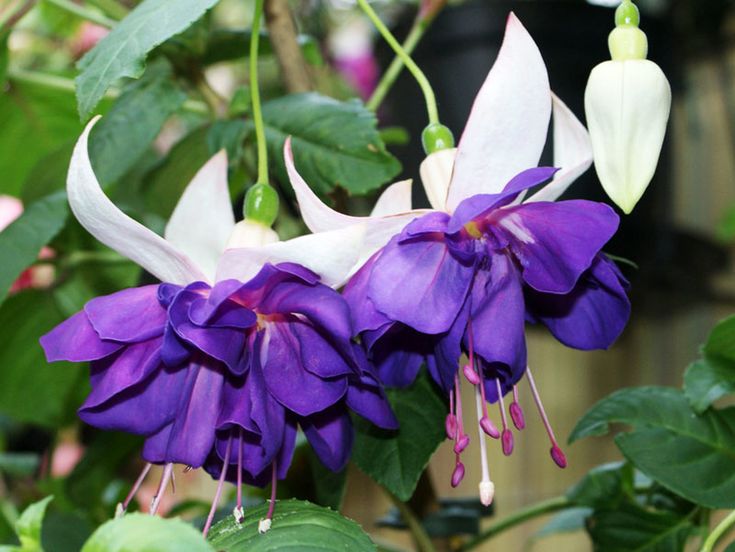
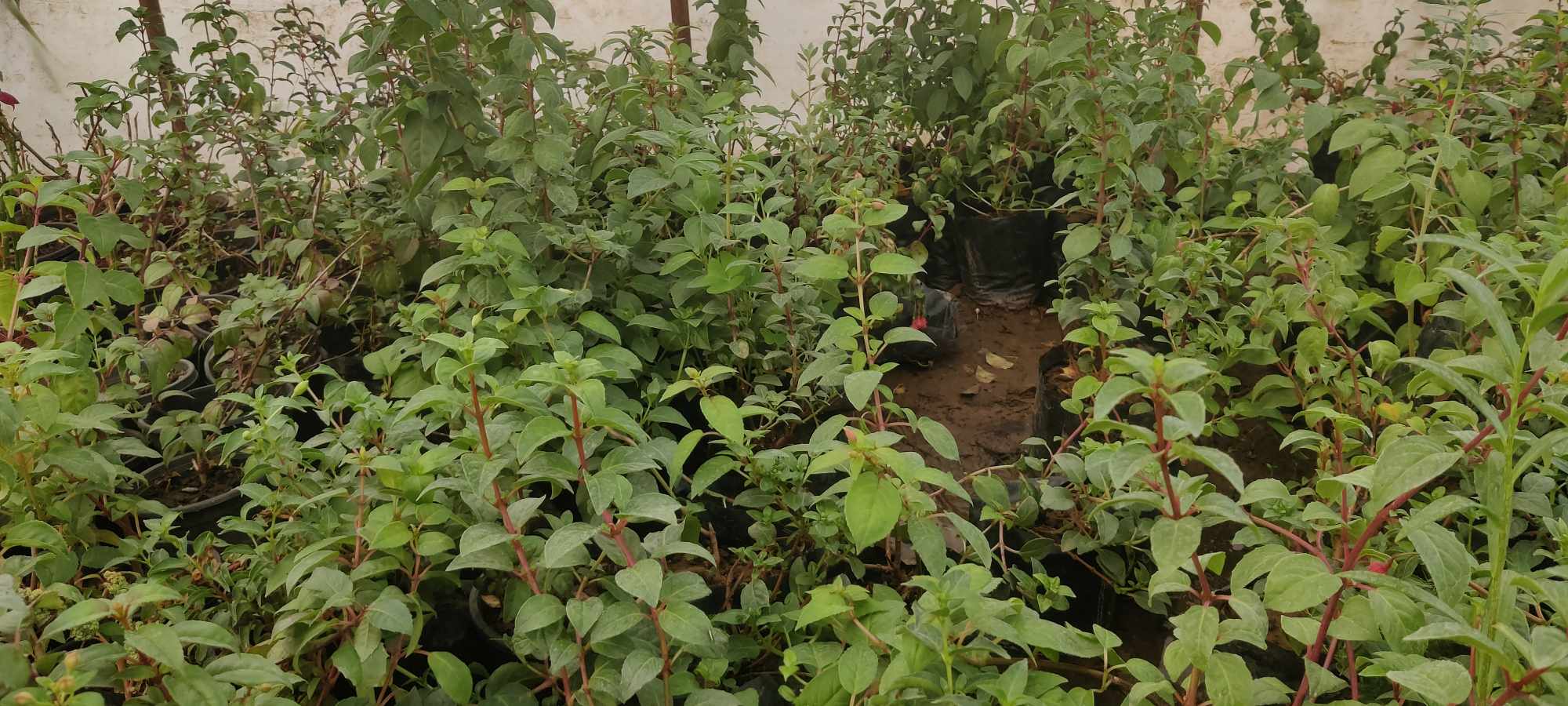
Hybrid Fuschia Plants Mixed Colors
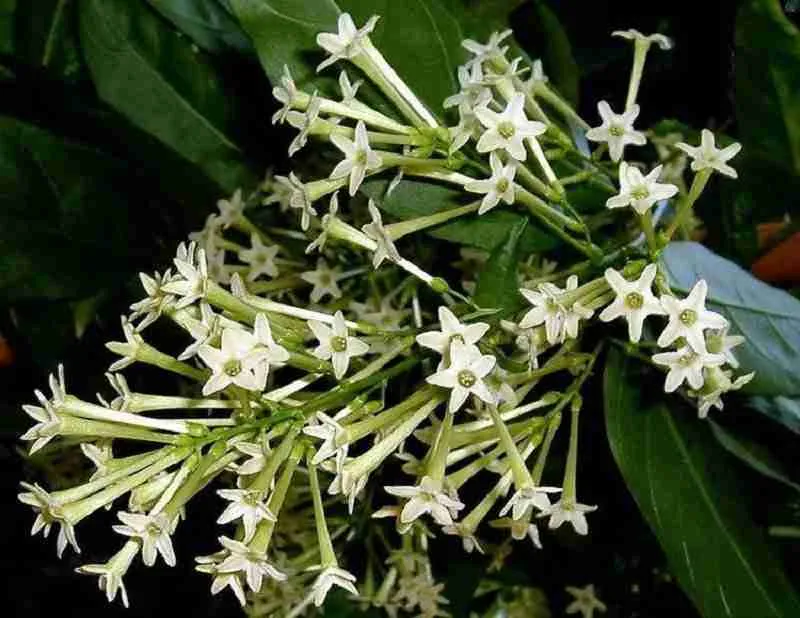
Raat Ki Rani | Night Blooming Jasmine Plant
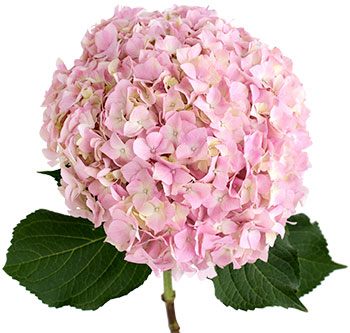
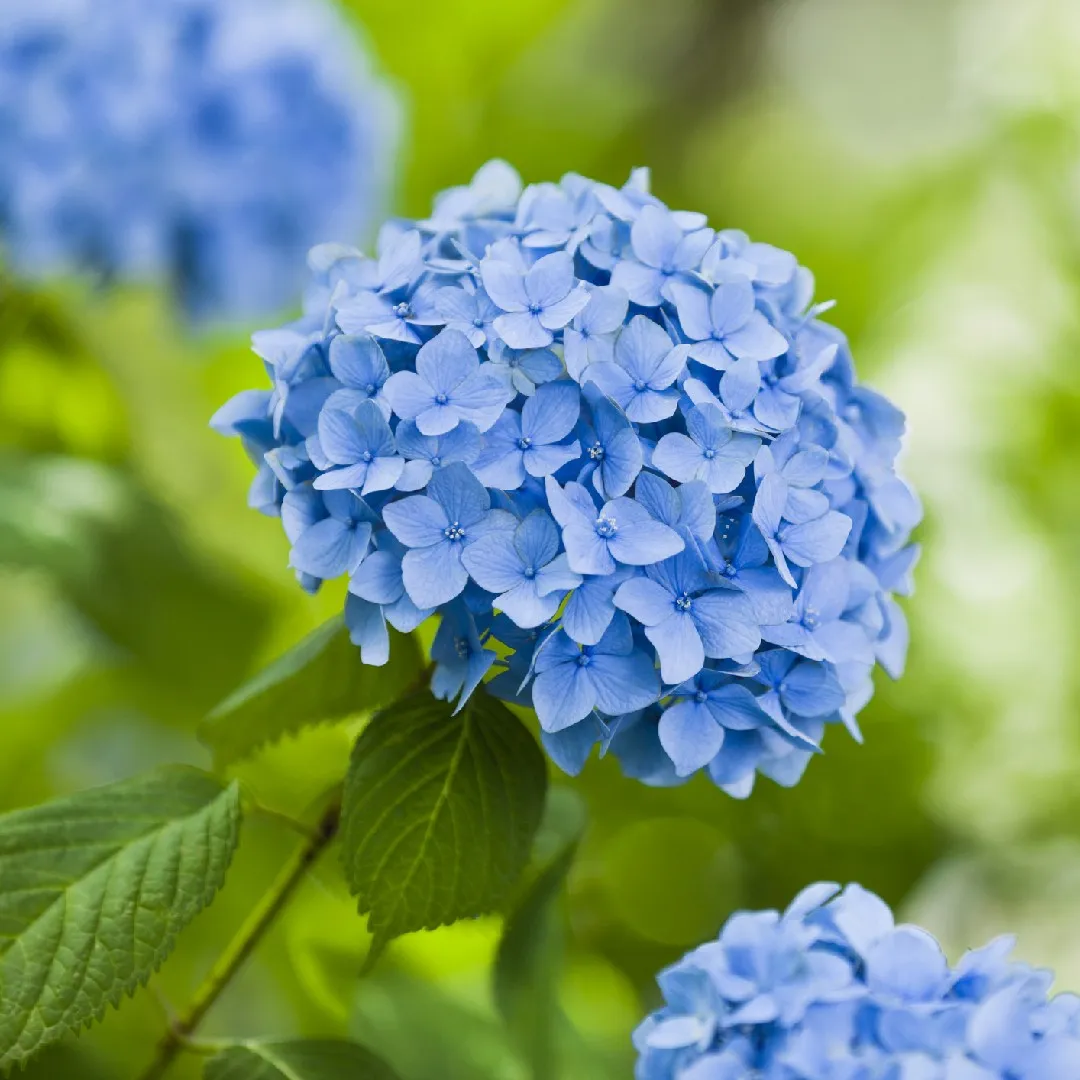
Hydrangea Plant (Any Color)
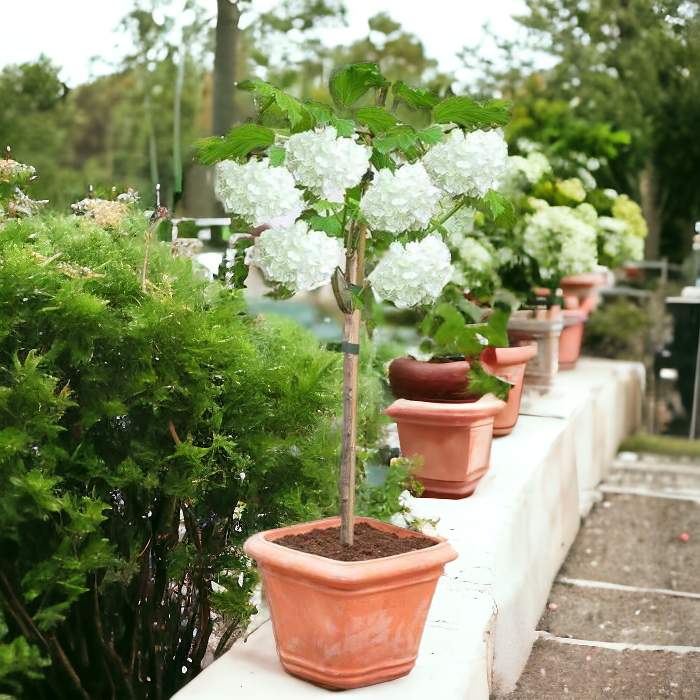
Snowball Plant
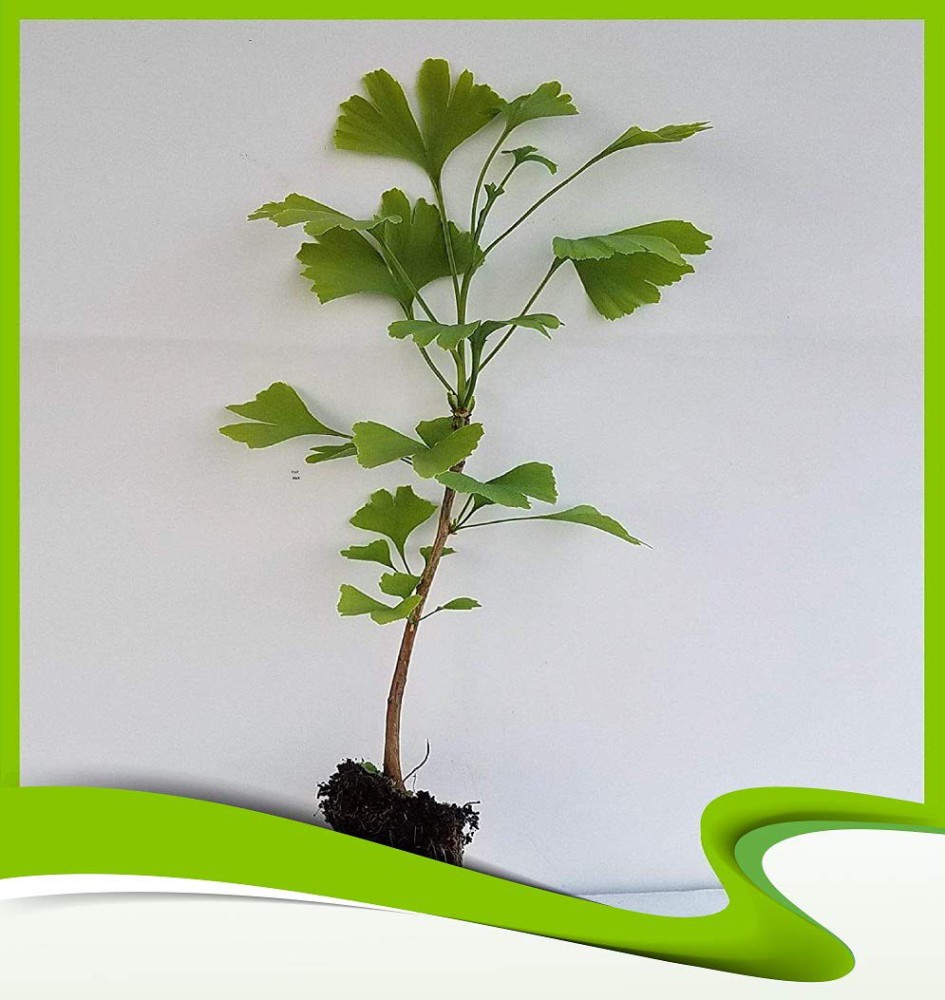
Ginkgo Biloba
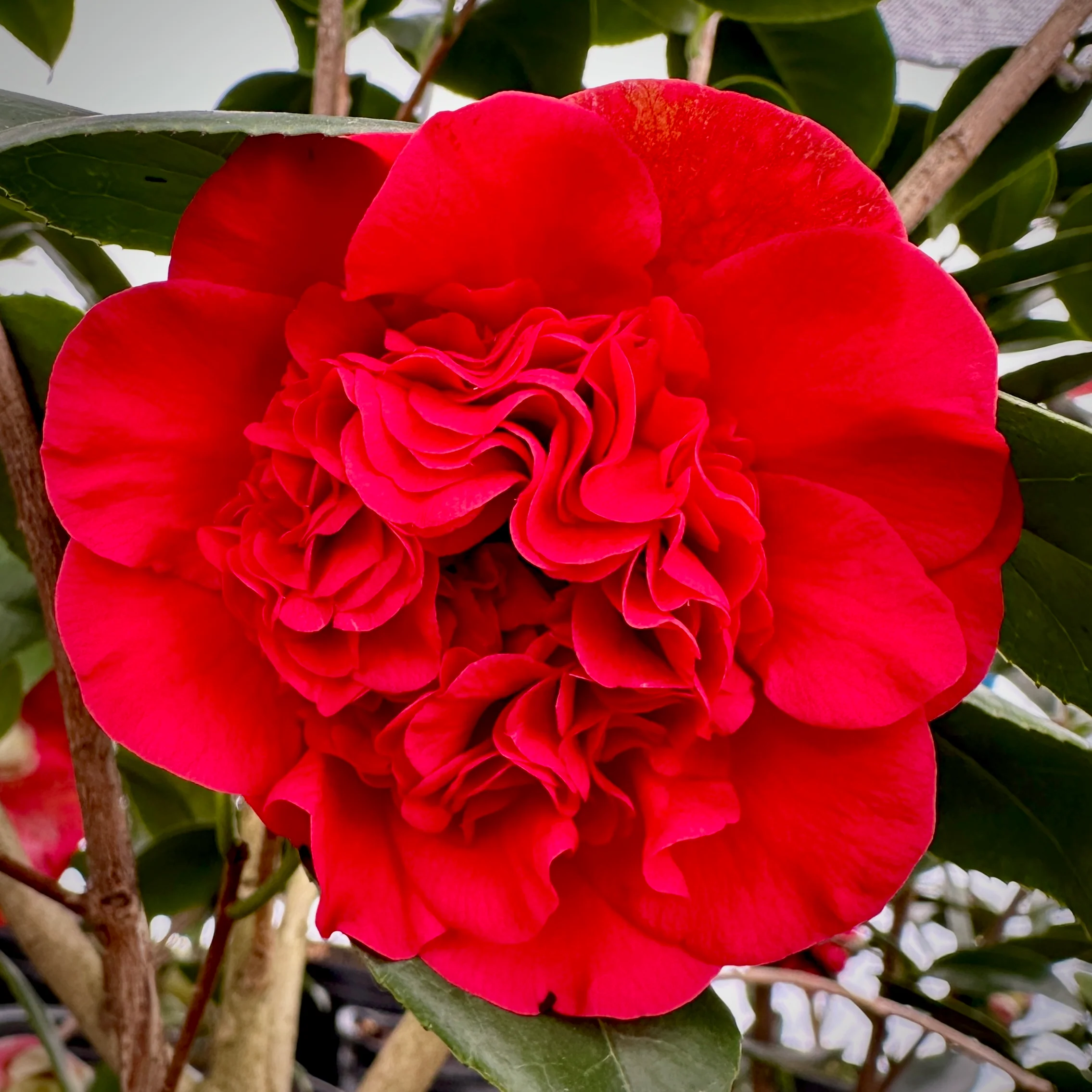
Camelia Flower Plant | Any Color
Winter Jasmine |Jasminum Nudiflorum
Chrysanthemum Marigold Plant
Kalanchoe Plant
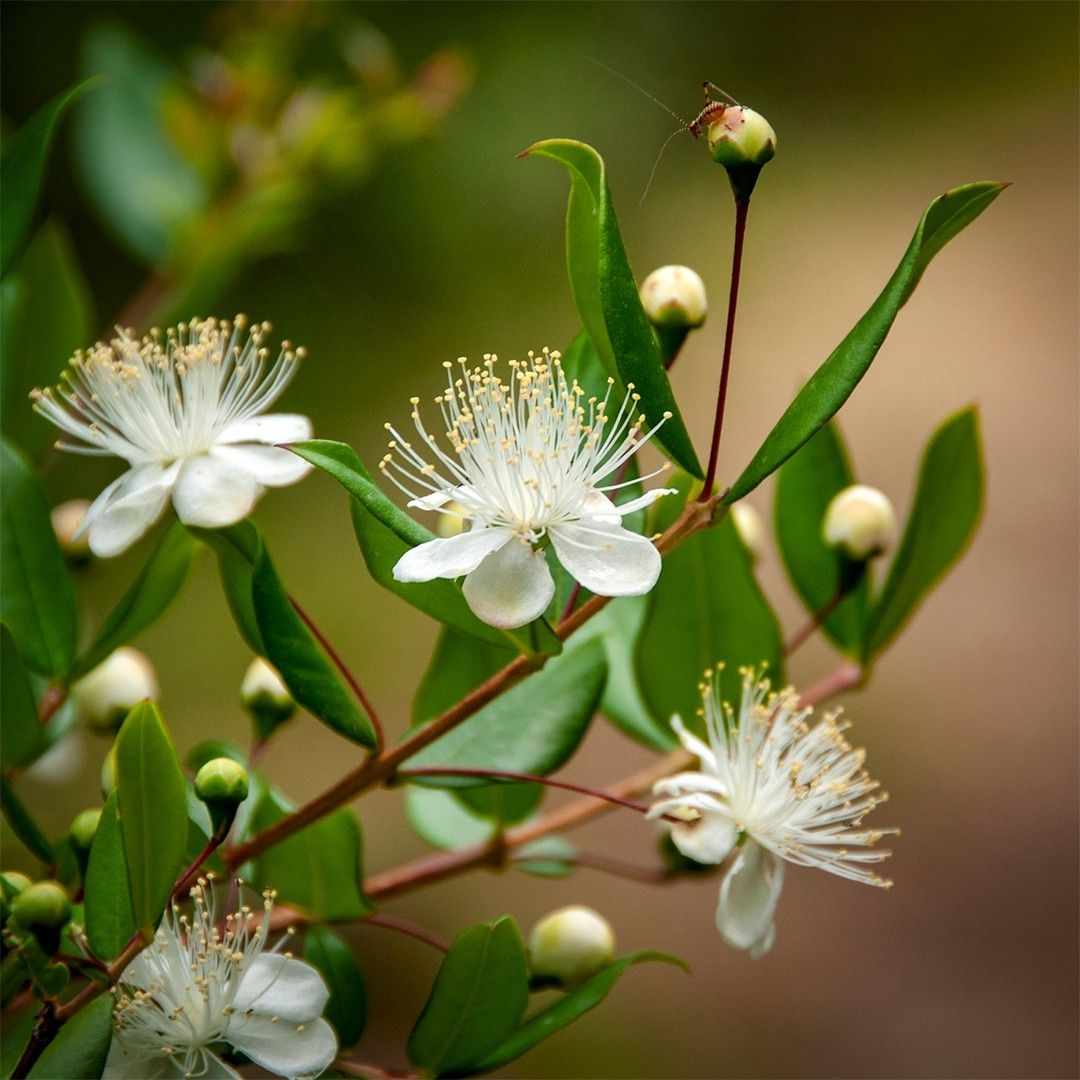
Myrtle Plant
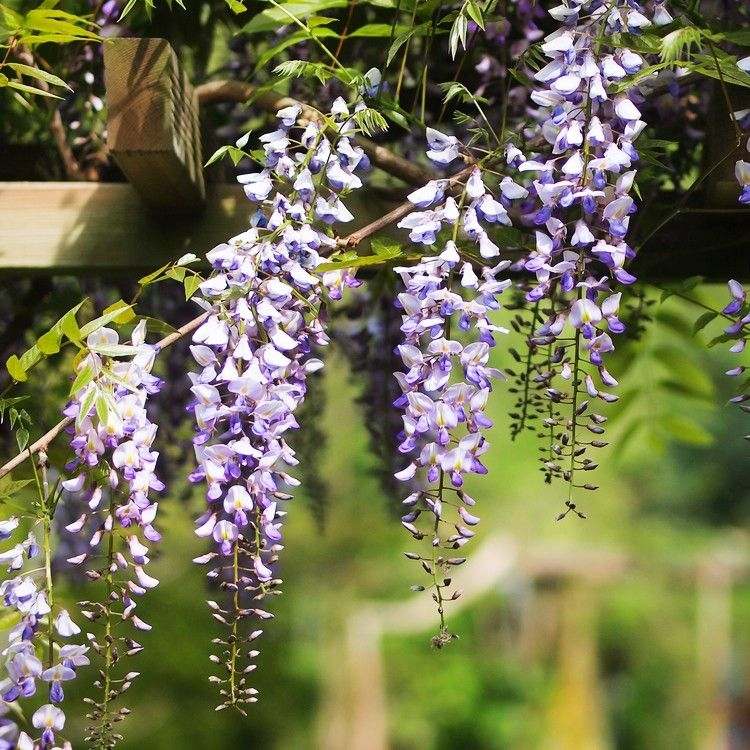
Wisteria Plant
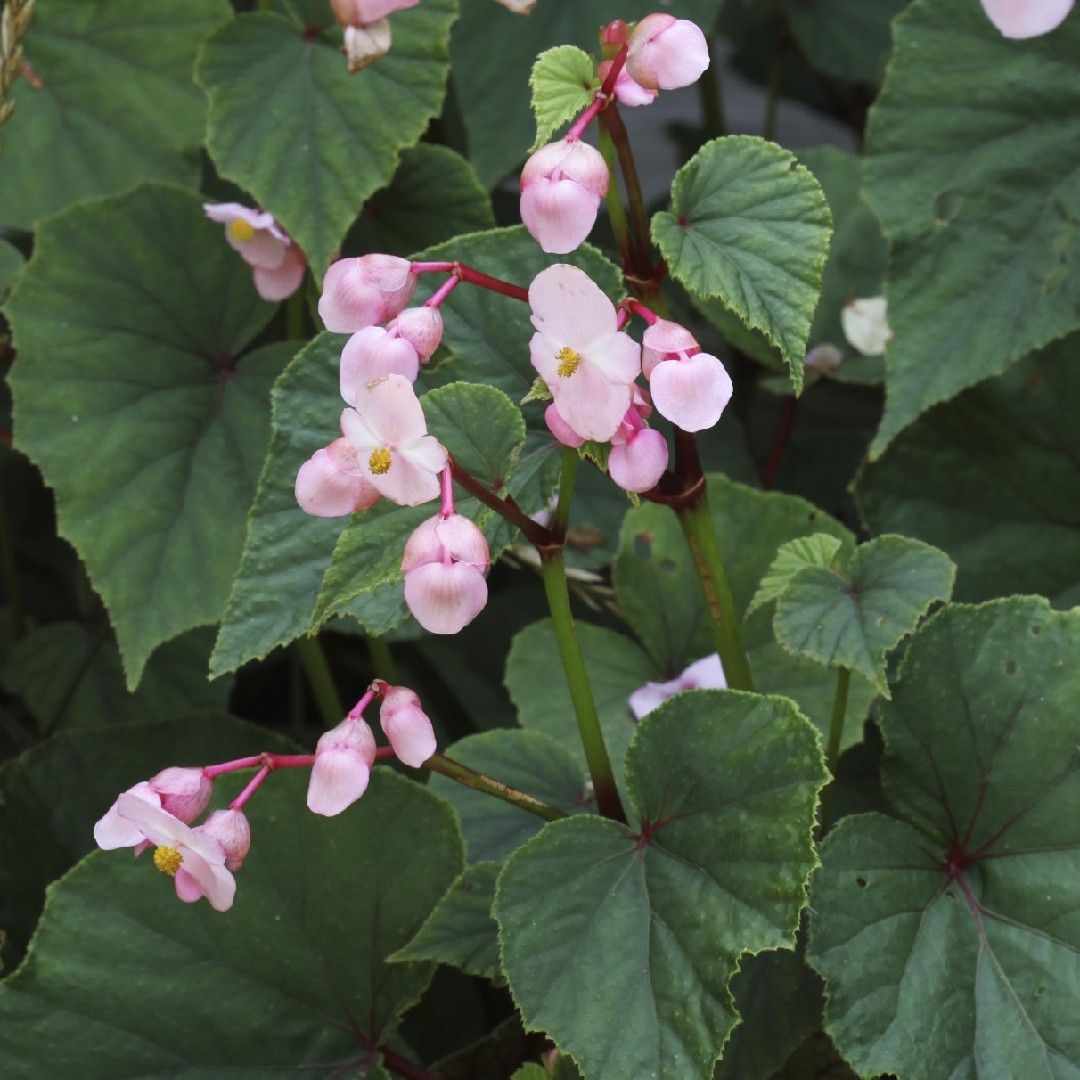
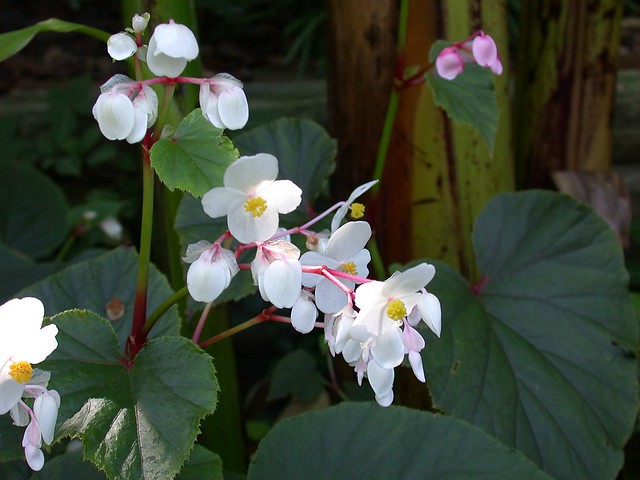
Hardy Begonia Plant
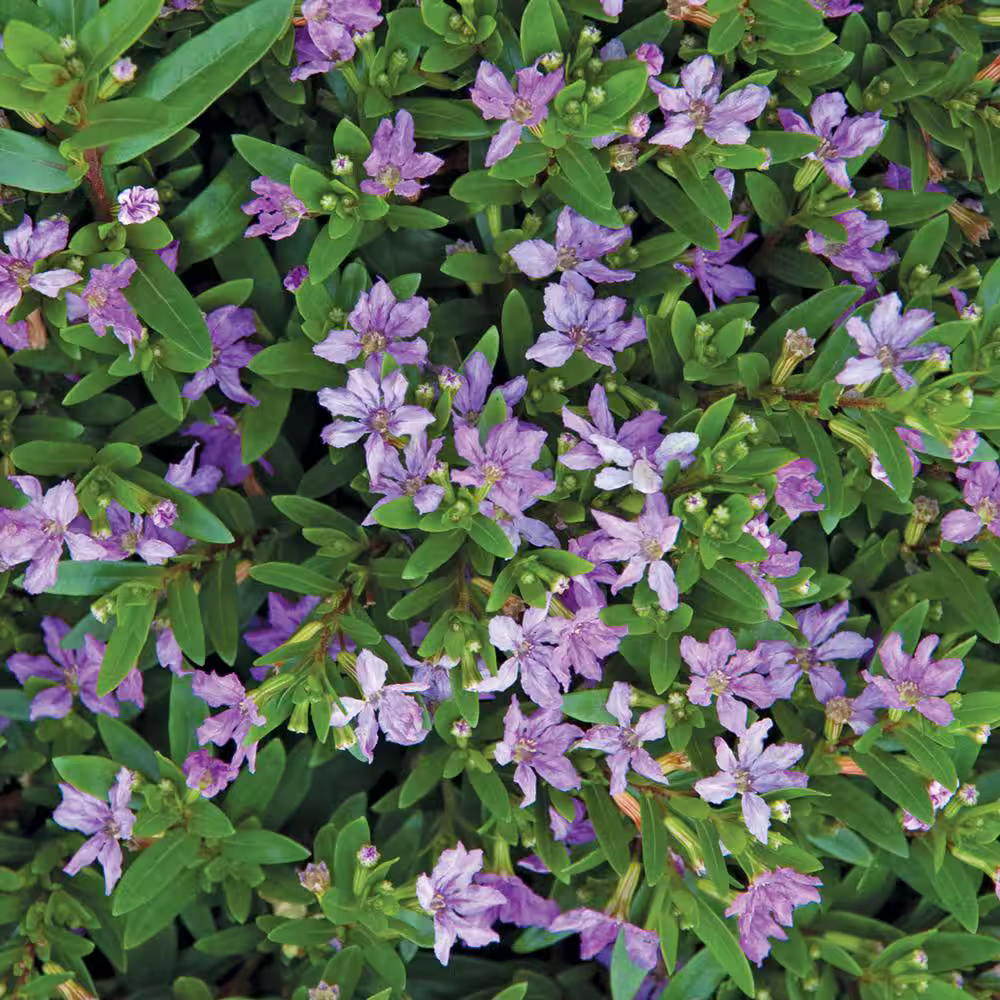

False Heather Plant | Cuphea Hyssopifolia
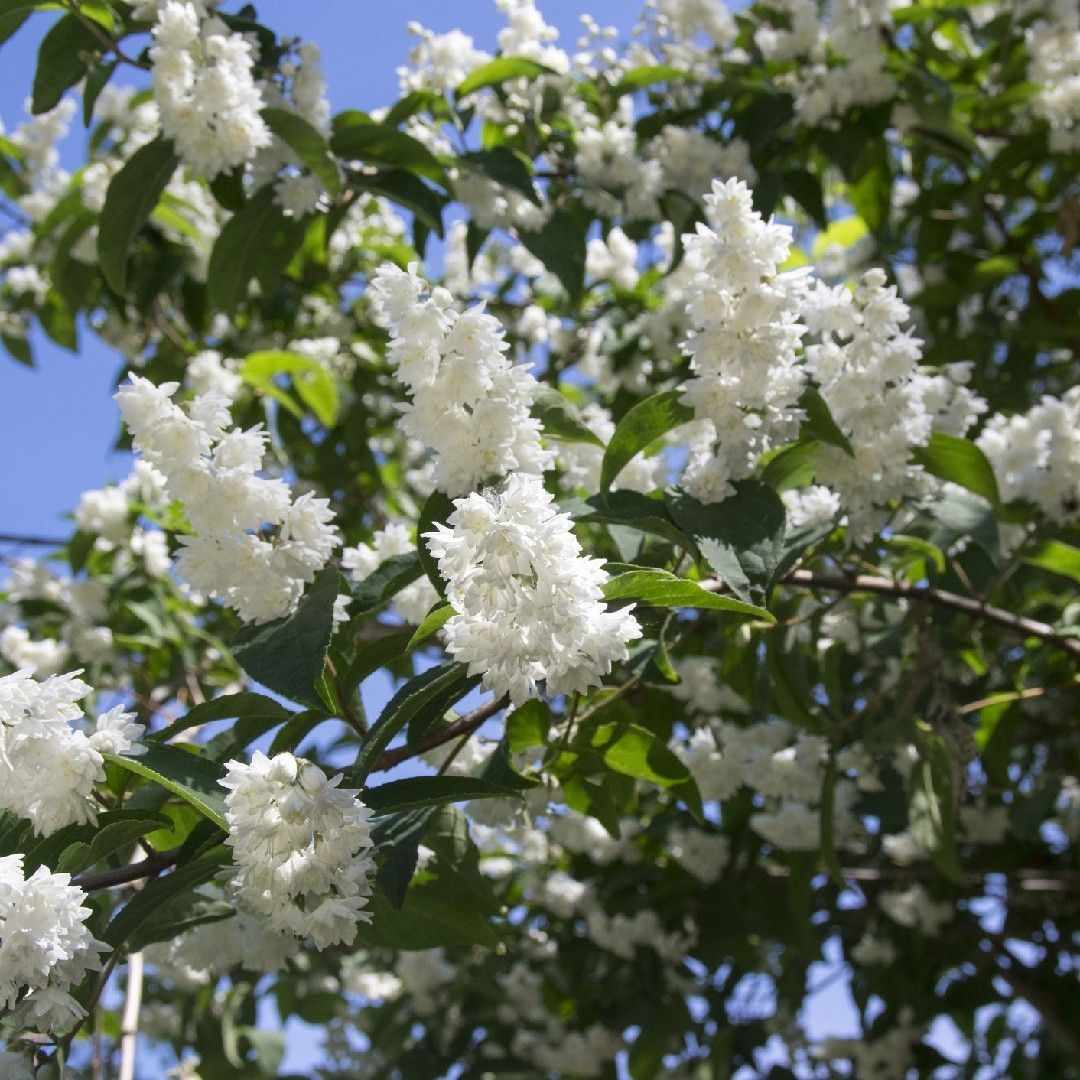
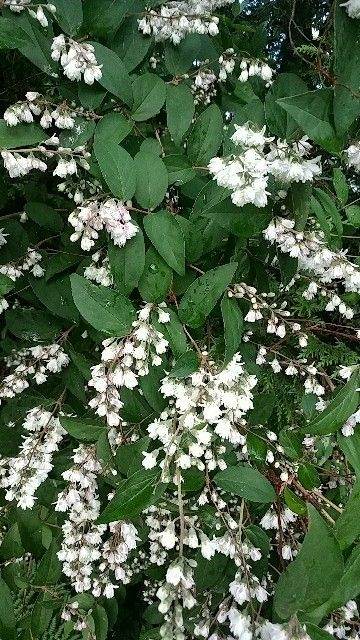
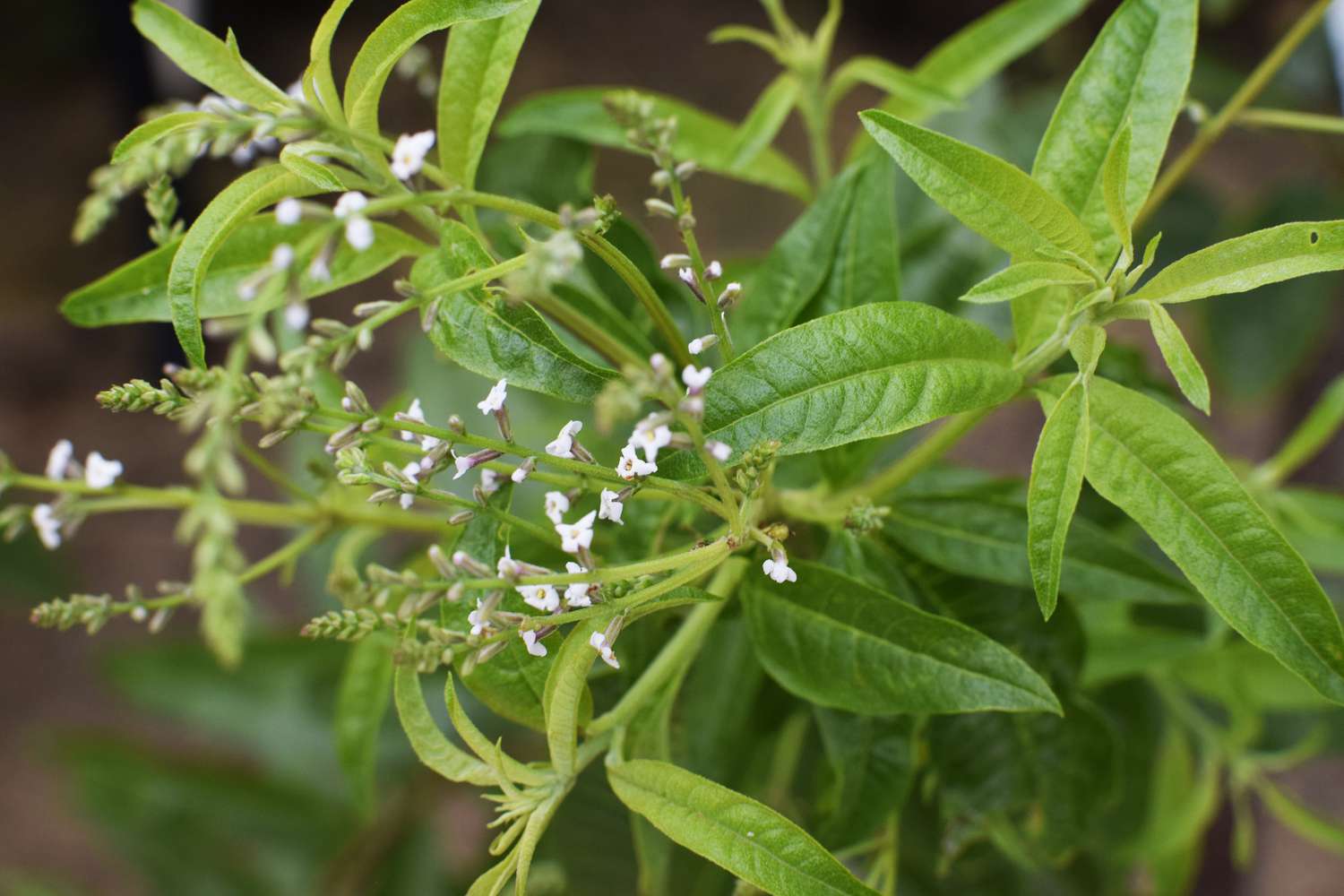
Lemon Verbena Plant
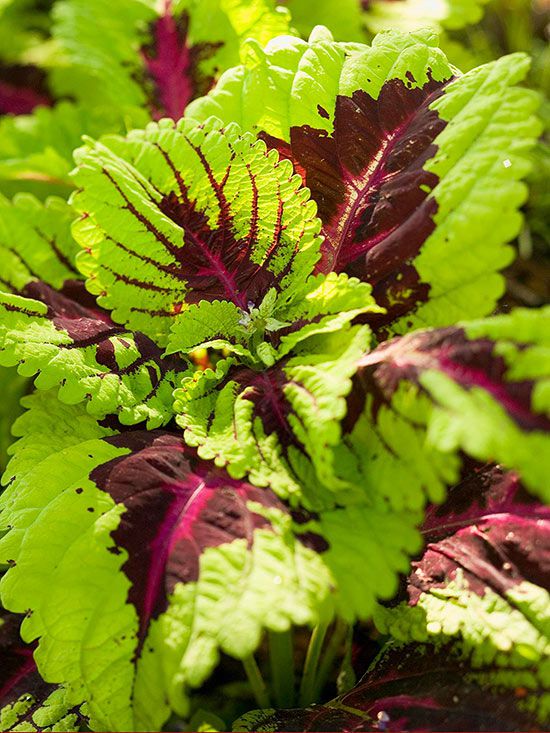
Coleus Plant
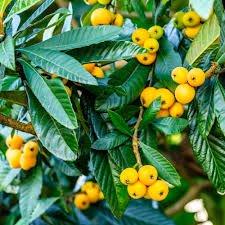
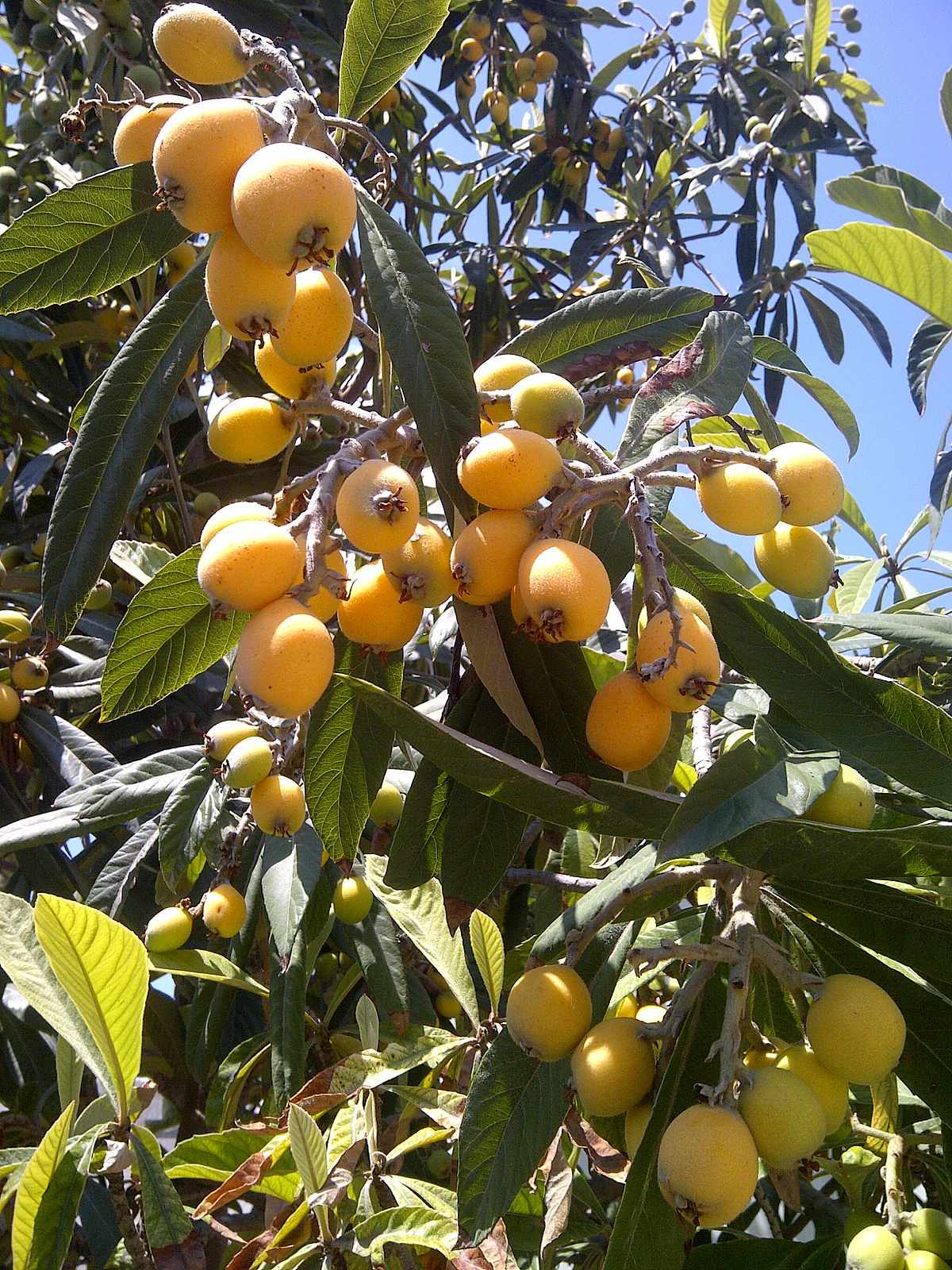
Loquat Plant
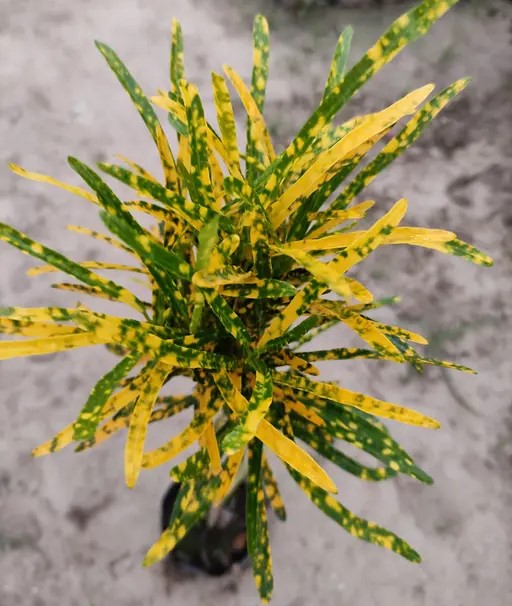
Golden Dust Croton Plant | Thin Leaves
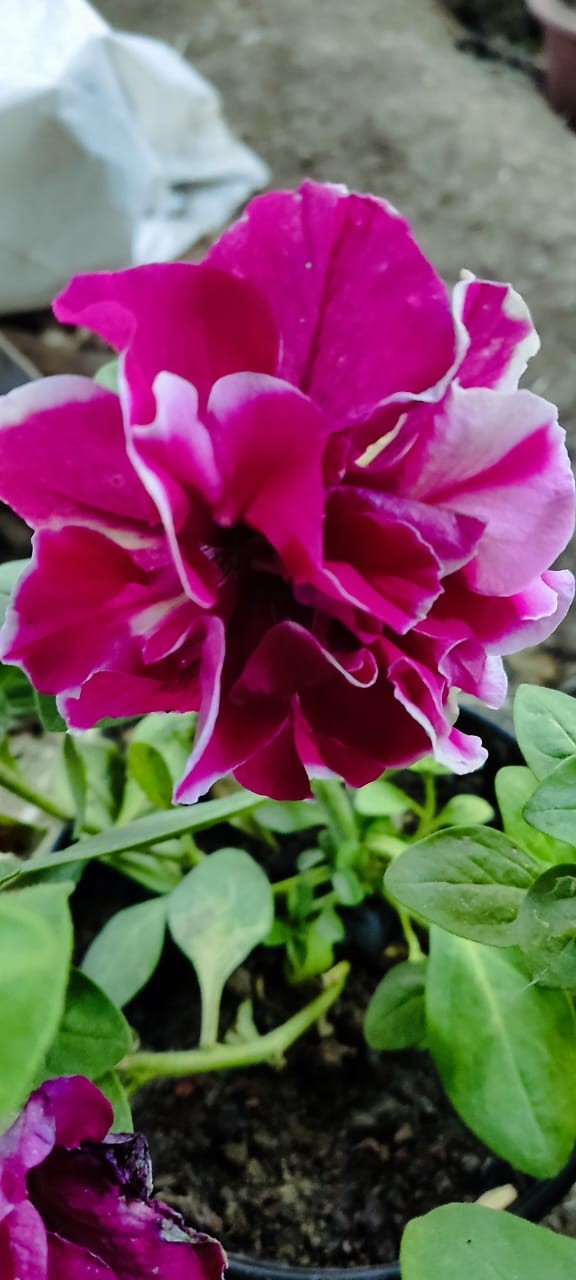
Petunia Double Plant
Frequently Bought Together
No frequently bought products found!
Products from this Seller
View All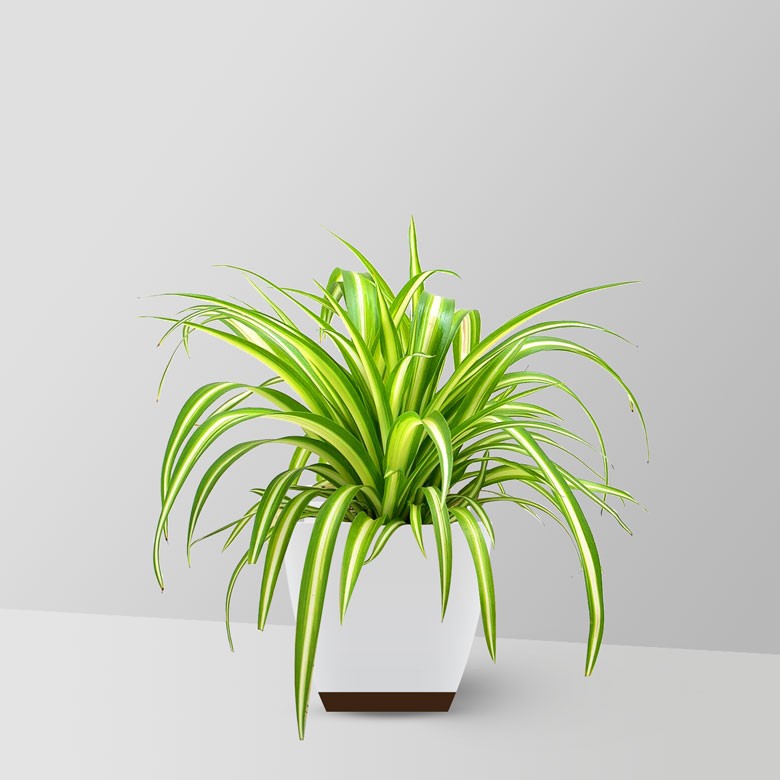
Spider Plant
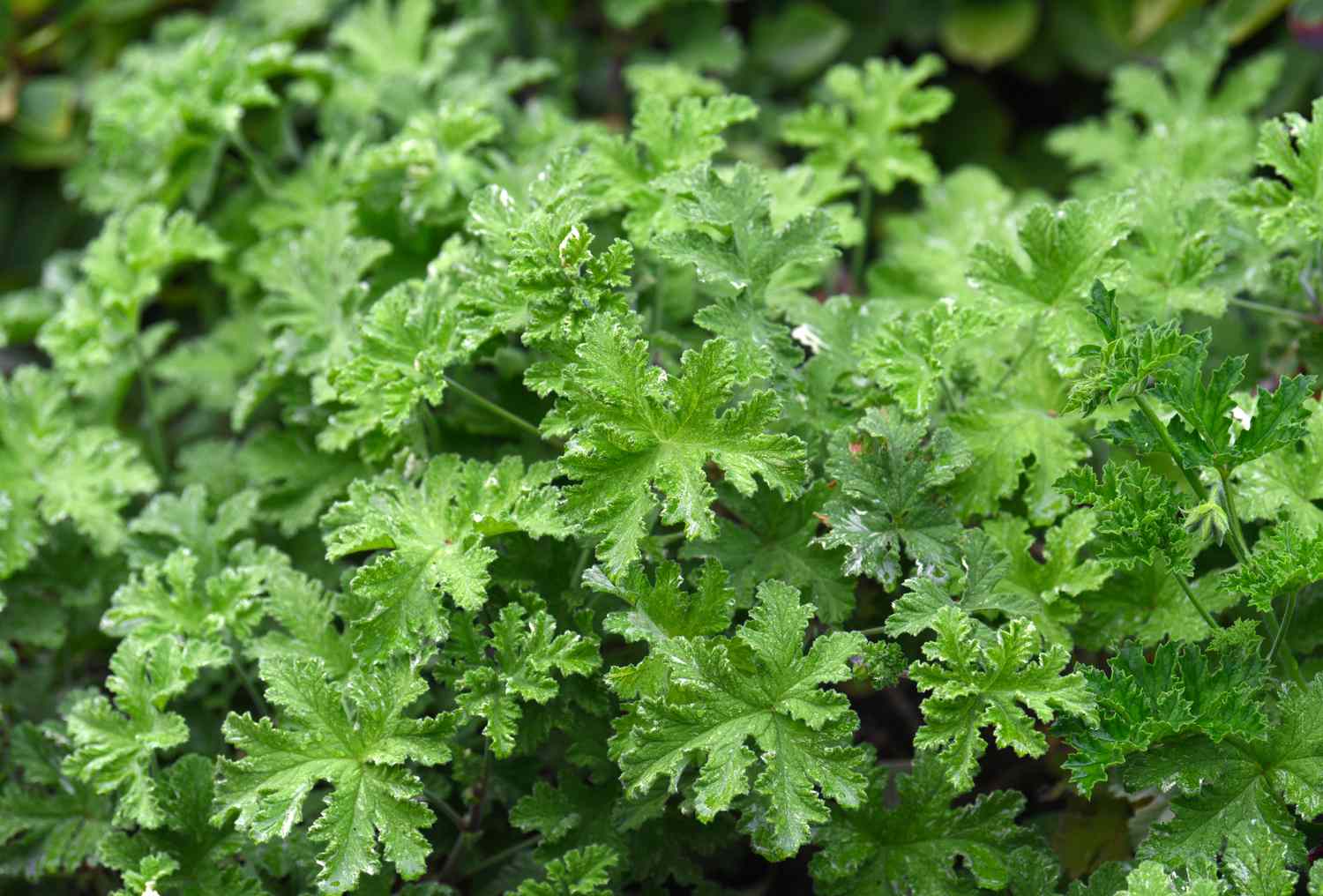
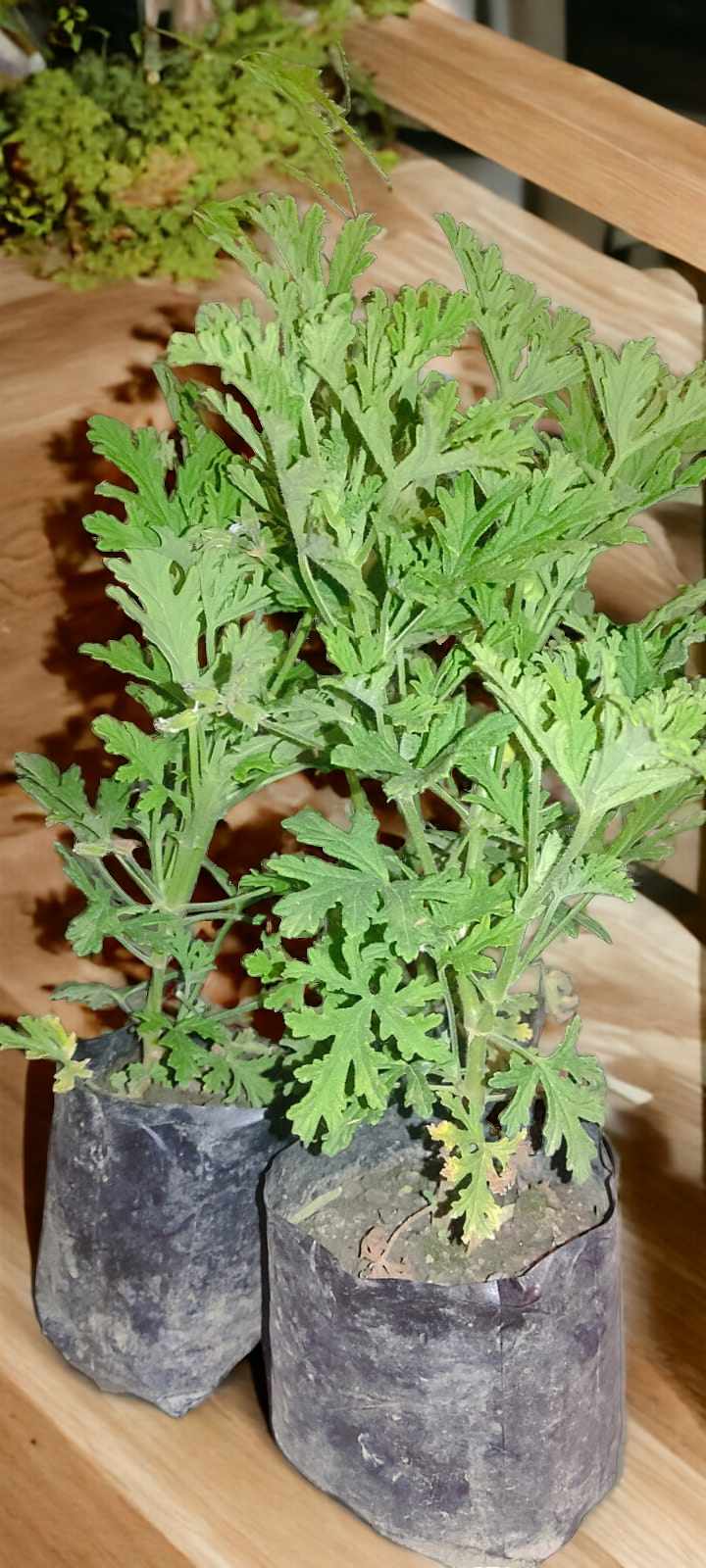
Scented Geranium
Hybrid Fuschia Plants Mixed Colors
Raat Ki Rani | Night Blooming Jasmine Plant
Hydrangea Plant (Any Color)
Snowball Plant
Ginkgo Biloba
Camelia Flower Plant | Any Color
Winter Jasmine |Jasminum Nudiflorum
Chrysanthemum Marigold Plant
Kalanchoe Plant
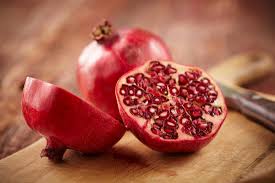
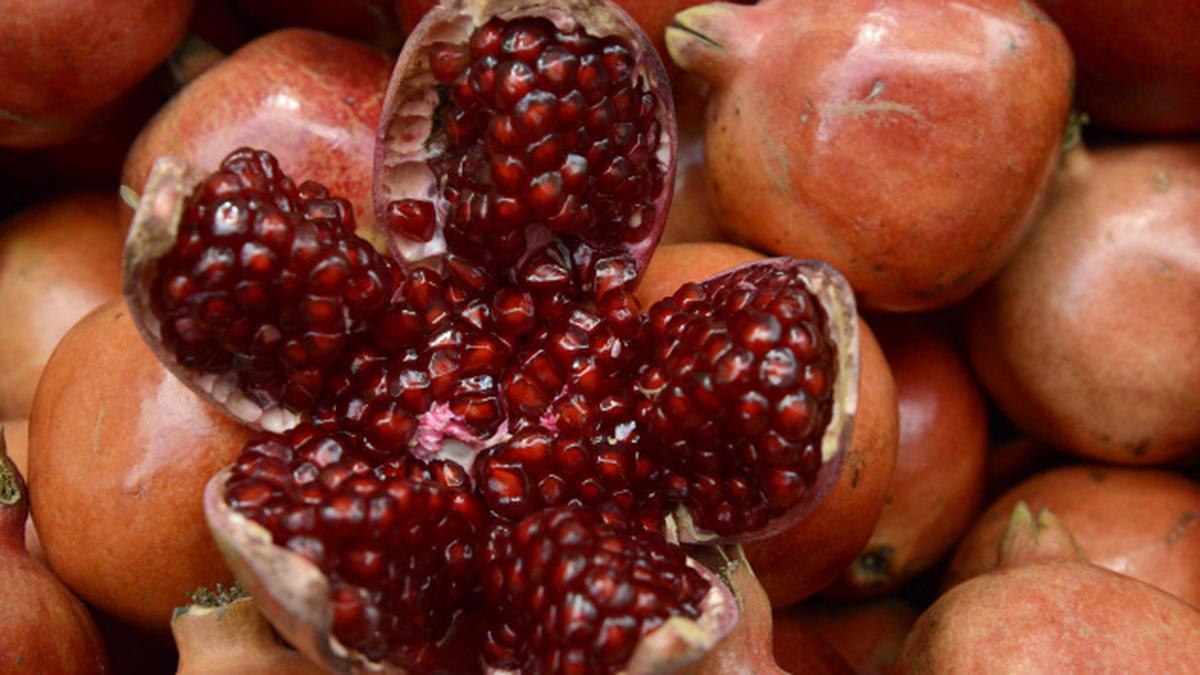
Kashmiri Pomegranate Fruit Plant
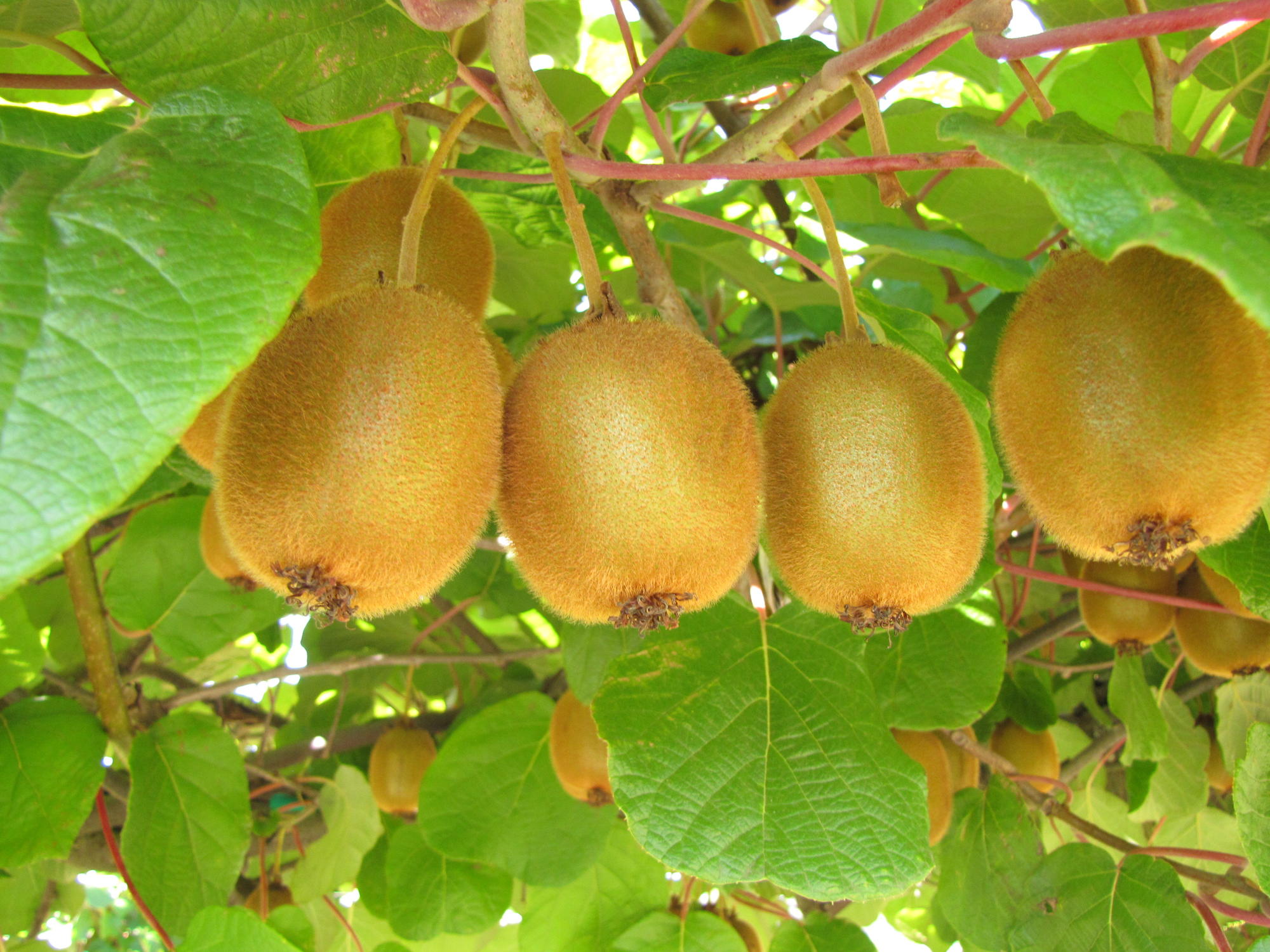
Kiwi Fruit Plant | Hayward
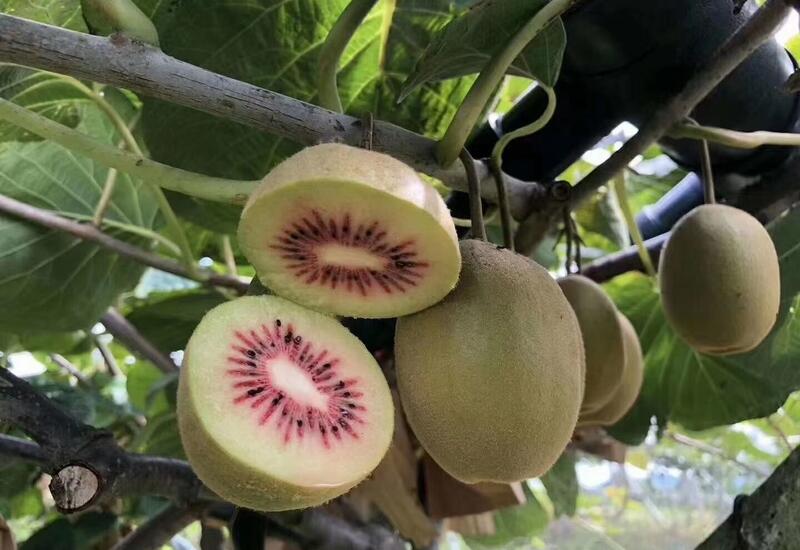
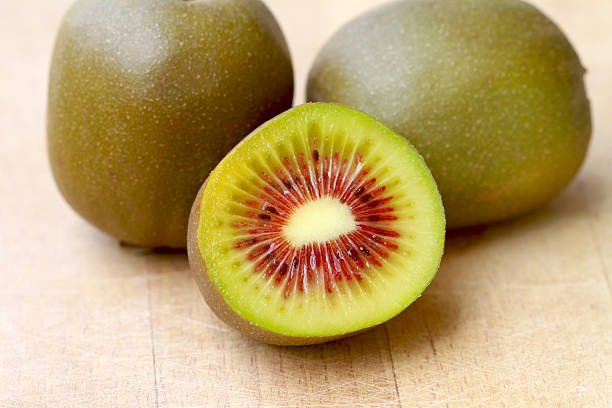
Kiwi Fruit Plant | Enza Red
Myrtle Plant
Wisteria Plant
Hardy Begonia Plant
False Heather Plant | Cuphea Hyssopifolia
Experience the Essence of Kashmir: Elevate Your Space with Floral Kashmir's Premium Plants




Share with Friends
Trading is more effective when you share products with friends!Share you link
Share to